
Lee Jung-hyun’s All-Purpose Soy Sauce: Basic and Spicy Versions Explained
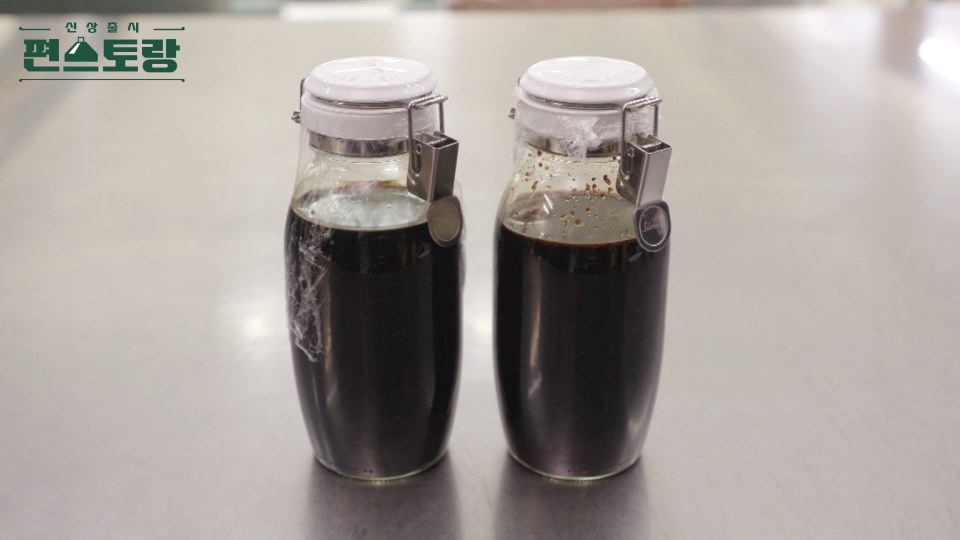
Make Lee Jung-hyun’s basic soy sauce first; add the chilies only when making the spicy version. The official recipe for KBS’s 편스토랑, episode 180, describes two versions, not a single sauce that requires every listed ingredient from the beginning.
This K-Star Check explains the published sequence for home cooks rather than reporting a personal cooking test. The distinction matters most at two points: bonito flakes go in after the heat is turned off, while the spicy ingredients require a separate additional simmer.
Image credit: KBS 편스토랑, episode 180 official recipe post.
Start with the basic mixture
The published base uses 2¼ cups water, 1½ cups soy sauce, 1 generous cup yuja-cheong, and ½ cup cheongju. Yuja-cheong is a sweet preserved citrus preparation; cheongju is clear rice wine.
Bring that mixture to a boil, then reduce the heat to low and simmer for approximately 15 minutes. The yuja-cheong belongs in the base, so this is not a formula consisting simply of soy sauce sweetened with sugar.
Keep the original cup-based proportions together when preparing your ingredients. The official recipe does not define a conversion into milliliters or grams, so an exact converted shopping list would require information not provided here.
Infuse bonito after switching off the heat
Place a handful of katsuobushi, or dried bonito flakes, in a strainer and steep them in the sauce for one to two minutes after turning off the heat. They are not an ingredient to boil throughout the initial simmer.
Squeeze in the juice from half a lemon, let the sauce cool briefly, then strain it. Half a lemon is the amount listed in the official KBS ingredient list.
For a cook following the process, the useful checkpoint is the heat change: finish simmering the base before introducing the bonito. Keeping those stages separate preserves the sequence given in the official recipe rather than combining everything in one pot from the start.
Choose the spicy version deliberately
For the spicy version, add 1 tablespoon Cheongyang chili powder and 10 Vietnamese chilies to the basic sauce, then boil for approximately five more minutes. Cheongyang refers to the Korean chili used for the powder.
This is an additional cooking stage built on the basic sauce, not a completely separate base recipe. If you want the basic version, do not add those chilies merely because they appear in the overall ingredient information.
If keeping both versions in bottles, label which one is spicy. The source specifically notes that their similar soy-sauce color is not a dependable way to tell them apart.
Scaling and storage limits
For a smaller batch, check that every ingredient is reduced by the same proportion rather than changing only the liquid components. Keep cup sizes consistent, and do not treat the volume and weight of yuja-cheong as interchangeable numbers.
The official recipe gives no storage duration. “All-purpose” describes the sauce’s name, not a promise of long keeping quality; decide batch size and obtain storage guidance separately rather than inventing a refrigerator life.
FAQs
Should the chili powder go in with the first ingredients?
No. The basic sauce is made first; the chili powder and Vietnamese chilies belong to the additional spicy-version stage.
Can the bonito flakes simmer for the full 15 minutes?
That is not the published sequence. The source specifies a one-to-two-minute infusion after the heat is turned off.
Source: KBS 편스토랑 episode 180, official all-purpose soy sauce recipe. Official recipe rechecked on Nov 2, 2026. This is a broadcast-recipe guide, not a tested personal recipe.